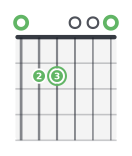
 Em
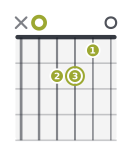 Am
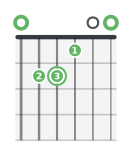 E
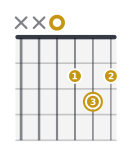 D
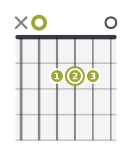 A
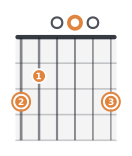 G
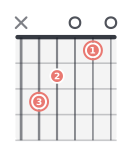 C
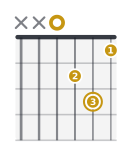 Dm
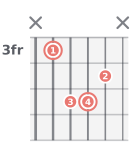 Cm
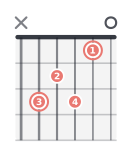 C7
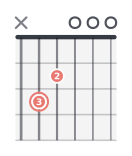 Cmaj7
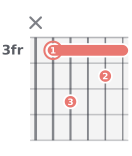 Cm7
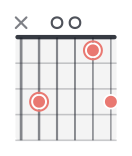 Csus2
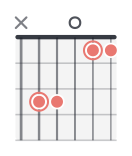 Csus4
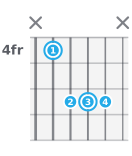 C#
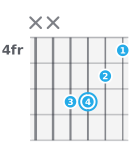 C#m
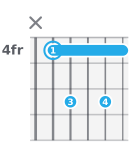 C#7
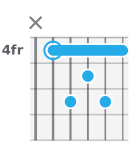 C#maj7
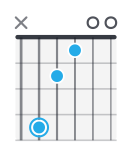 C#m7
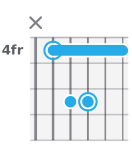 C#sus2
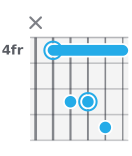 C#sus4
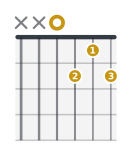 D7
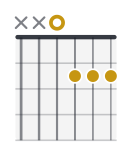 Dmaj7
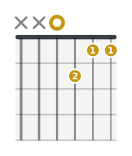 Dm7
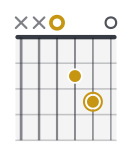 Dsus2
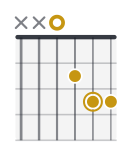 Dsus4
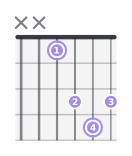 Eb
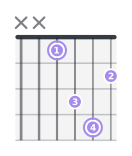 Ebm
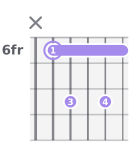 Eb7
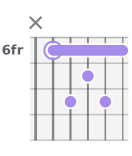 Ebmaj7
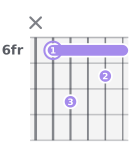 Ebm7
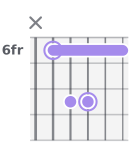 Ebsus2
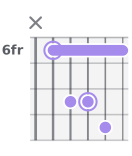 Ebsus4
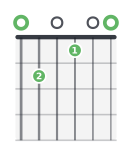 E7
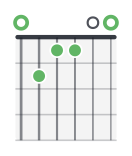 Emaj7
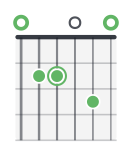 Em7
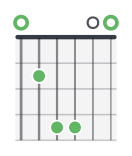 Esus2
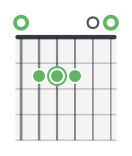 Esus4
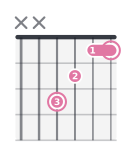 F
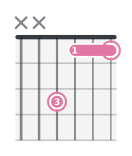 Fm
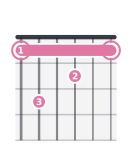 F7
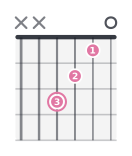 Fmaj7
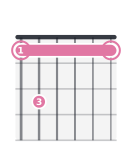 Fm7
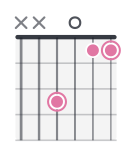 Fsus2
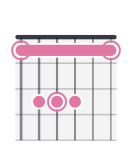 Fsus4
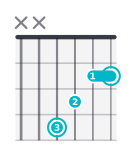 F#
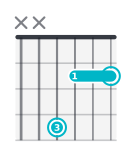 F#m
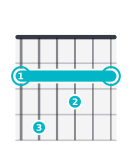 F#7
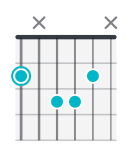 F#maj7
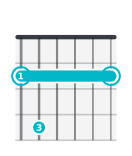 F#m7
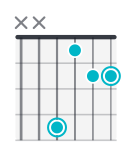 F#sus2
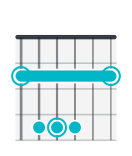 F#sus4
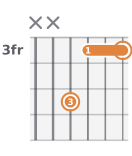 Gm
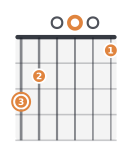 G7
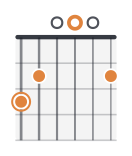 Gmaj7
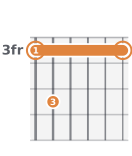 Gm7
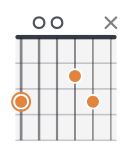 Gsus2
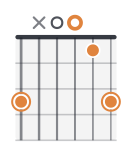 Gsus4
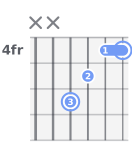 Ab
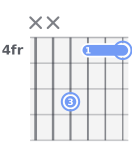 Abm
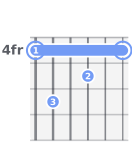 Ab7
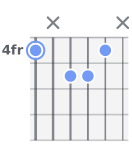 Abmaj7
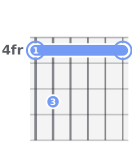 Abm7
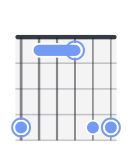 Absus2
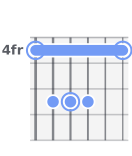 Absus4
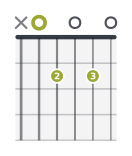 A7
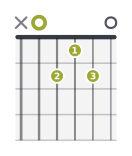 Amaj7
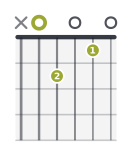 Am7
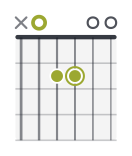 Asus2
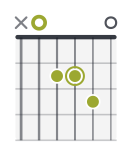 Asus4
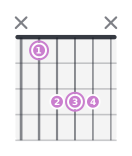 Bb
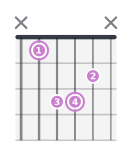 Bbm
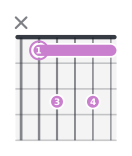 Bb7
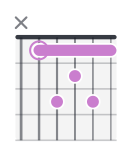 Bbmaj7
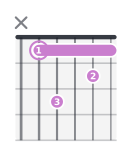 Bbm7
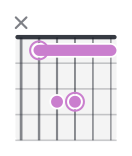 Bbsus2
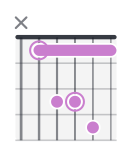 Bbsus4
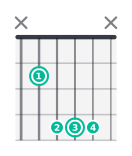 B
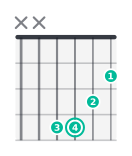 Bm
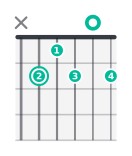 B7
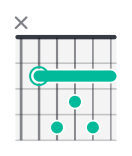 Bmaj7
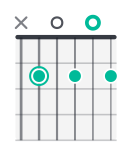 Bm7
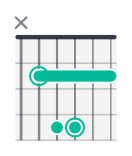 Bsus2
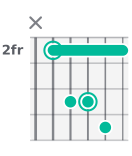 Bsus4
More chord types
| Add9 | Cadd9 C#add9 Dadd9 Ebadd9 Eadd9 Fadd9 F#add9 Gadd9 Abadd9 Aadd9 Bbadd9 Badd9 |
|---|---|
| Power chord | C5 C#5 D5 Eb5 E5 F5 F#5 G5 Ab5 A5 Bb5 B5 |
| Major 6th | C6 C#6 D6 Eb6 E6 F6 F#6 G6 Ab6 A6 Bb6 B6 |
| Minor 6th | Cm6 C#m6 Dm6 Ebm6 Em6 Fm6 F#m6 Gm6 Abm6 Am6 Bbm6 Bm6 |
| Dominant 9th | C9 C#9 D9 Eb9 E9 F9 F#9 G9 Ab9 A9 Bb9 B9 |
| Minor 9th | Cm9 C#m9 Dm9 Ebm9 Em9 Fm9 F#m9 Gm9 Abm9 Am9 Bbm9 Bm9 |
| Major 9th | Cmaj9 C#maj9 Dmaj9 Ebmaj9 Emaj9 Fmaj9 F#maj9 Gmaj9 Abmaj9 Amaj9 Bbmaj9 Bmaj9 |
| Diminished | Cdim C#dim Ddim Ebdim Edim Fdim F#dim Gdim Abdim Adim Bbdim Bdim |
| Diminished 7th | Cdim7 C#dim7 Ddim7 Ebdim7 Edim7 Fdim7 F#dim7 Gdim7 Abdim7 Adim7 Bbdim7 Bdim7 |
| Augmented | Caug C#aug Daug Ebaug Eaug Faug F#aug Gaug Abaug Aaug Bbaug Baug |
| Half-diminished | Cm7b5 C#m7b5 Dm7b5 Ebm7b5 Em7b5 Fm7b5 F#m7b5 Gm7b5 Abm7b5 Am7b5 Bbm7b5 Bm7b5 |
| Dominant 7th suspended 4th | C7sus4 C#7sus4 D7sus4 Eb7sus4 E7sus4 F7sus4 F#7sus4 G7sus4 Ab7sus4 A7sus4 Bb7sus4 B7sus4 |
Which chords should beginners learn first?
Learn the open chords C, A, G, E and D, then the minor chords Am, Em and Dm. With those you can play songs in G, D and A major, and simple songs in C. Next, learn the F barre chord. Once you can play the E and A barre shapes, you can play any major or minor chord by sliding them up the neck.
Every way to play each chord
Each chord page shows every common shape up the neck, not just the open chord: the barre chords, the CAGED shapes (named E-shape, A-shape, Dm-shape and so on, after the open chord each one comes from) and smaller shapes on the top strings. Every shape lists its frets, its root string, whether it needs a barre and what it's good for, and you can tap it to hear it. For example, see the Am chord shapes, the G chord shapes, the F barre chord, the C chord up the neck or the E5 power chord shapes.
Put chords to work
See which chords belong together in the chords in every key pages, borrow a progression from the progression library, or build your own on the circle of fifths.
Common questions
What are the basic guitar chords?
How do you read a guitar chord chart?
What is the hardest beginner chord?
What is the difference between major and minor chords?
What is the CAGED system?
Last updated November 15, 2026.